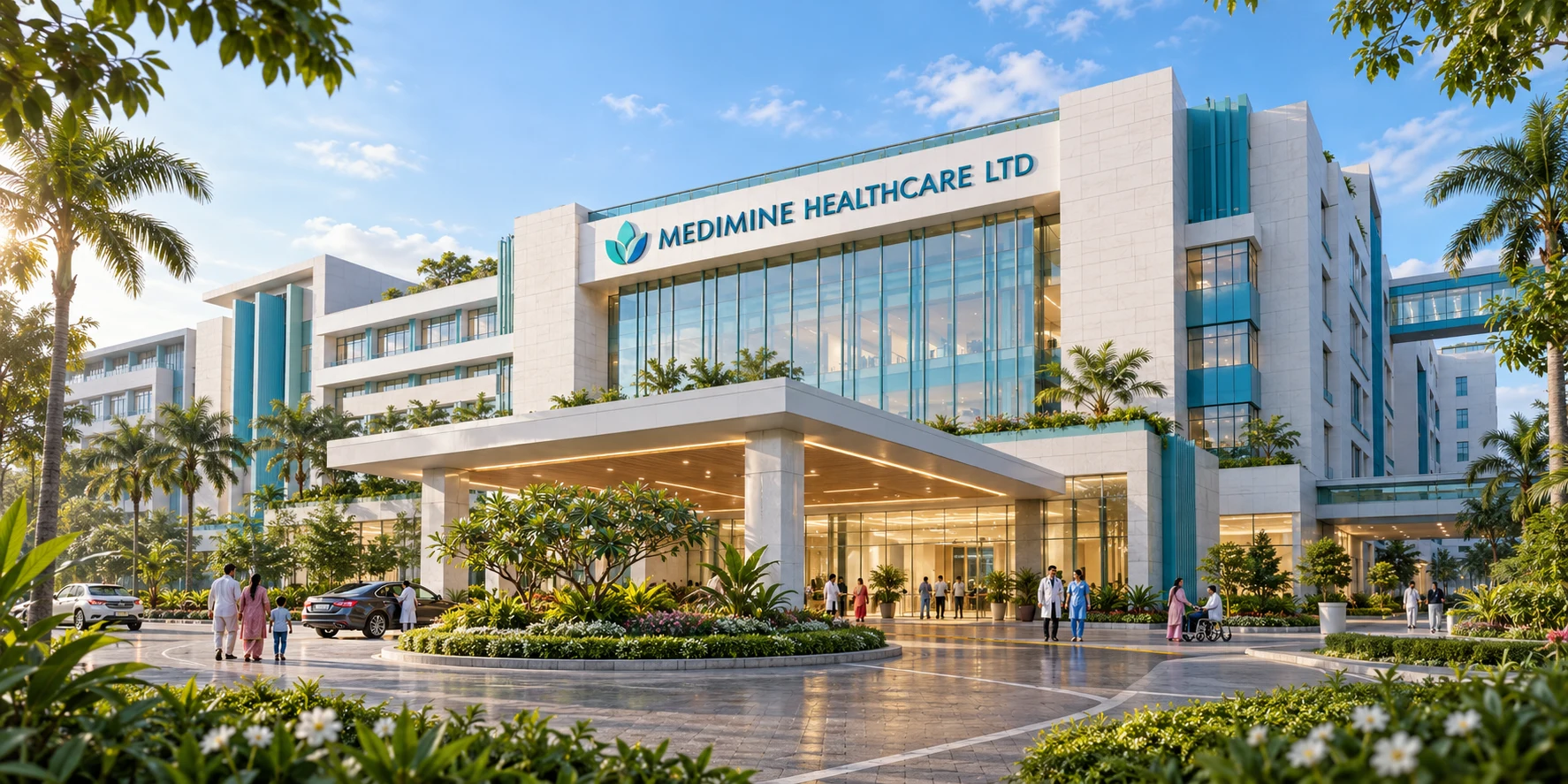
Accessible arrival
A visible entrance, understandable patient signage and an organised reception and waiting layout.


Continuity of care, closer to the neighbourhood.
The Khulna model connects a GP-based diagnostic centre with neighbourhood health points. The focus is a practical local care journey: an initial clinical conversation, appropriate investigation and a dependable follow-up pathway.
A second GP health-point profile designed around neighbourhood access, follow-up consultations and a coordinated route to diagnostic services.
A building is useful when the layout supports clinical work, privacy and easy movement.
A visible entrance, understandable patient signage and an organised reception and waiting layout.
Consultation space with suitable privacy, lighting and circulation for the approved care model.
Appropriate record handling, clinical supplies, hygiene facilities and staff support areas.
This is a space-planning brief. The exact street address, land ownership or lease, plot size, building area, floor count and approved floor plans need to be reviewed in the branch proposal.
The team turns space and equipment into a reliable service. This staffing model sets out the roles to consider; it does not represent a published employee roster.
Clinicians who can guide follow-up, interpret the patient journey and coordinate onward care.
Support personnel whose responsibilities match the approved clinical services and patient needs.
A patient-service function that coordinates appointments and information with the diagnostic centre.
A local GP access point that complements the wider branch network.
Support for subsequent appointments and report review, according to the clinician’s advice.
A clear route to diagnostic services and onward care when the patient’s clinical needs require it.
Bringing consultation and diagnostic coordination into one local network offers a clear operating proposition. Patient experience, responsible referrals and reliable execution are the foundations to assess alongside investment cost.
A second local access point can complement the first when catchment areas and appointment capacity are planned together.
Patient follow-up and service reliability help define the proposition beyond a single consultation.
Site costs, staffing and demand should be assessed together before increasing the network footprint.
Potential profitability should be assessed from actual patient demand, the approved service mix, utilisation, collected revenue and operating costs. A branch name or care concept alone does not establish a financial return.
This profile focuses on Khulna and surrounding southwestern communities. Request the exact address, land or lease documents, plot area, floor count and floor plan through the branch proposal.
The roles and spaces on this page describe the proposed model. Ask for the branch’s verified operating status, service approvals, equipment list and staffing plan for the latest position.
Bringing consultation and diagnostic coordination into one local network offers a clear operating proposition. Patient experience, responsible referrals and reliable execution are the foundations to assess alongside investment cost. Review that proposition alongside demand evidence, operating costs and the proposed funding structure.
The hero image is an illustrative healthcare photograph. It does not establish the exact design, facilities or current condition of this branch.
Register your interest using the investment application and include Medimine GP Health Point (Khulna-2) in your notes. Request the branch proposal and proposed participation terms.
A GP-led diagnostic centre model that connects clinical assessment, diagnostic coordination and follow-up within a coherent patient pathway.
View branchA neighbourhood GP health-point model focused on first-contact consultations, patient guidance and coordination with the diagnostic centre.
View branchDiscuss Khulna, your preferred contribution model and the supporting information you need.